

Hey there! As a supplier of Manual Linear Modules, I often get asked about the maintenance cost of these nifty devices. So, let's dive right in and break it down.
What are Manual Linear Modules Anyway?
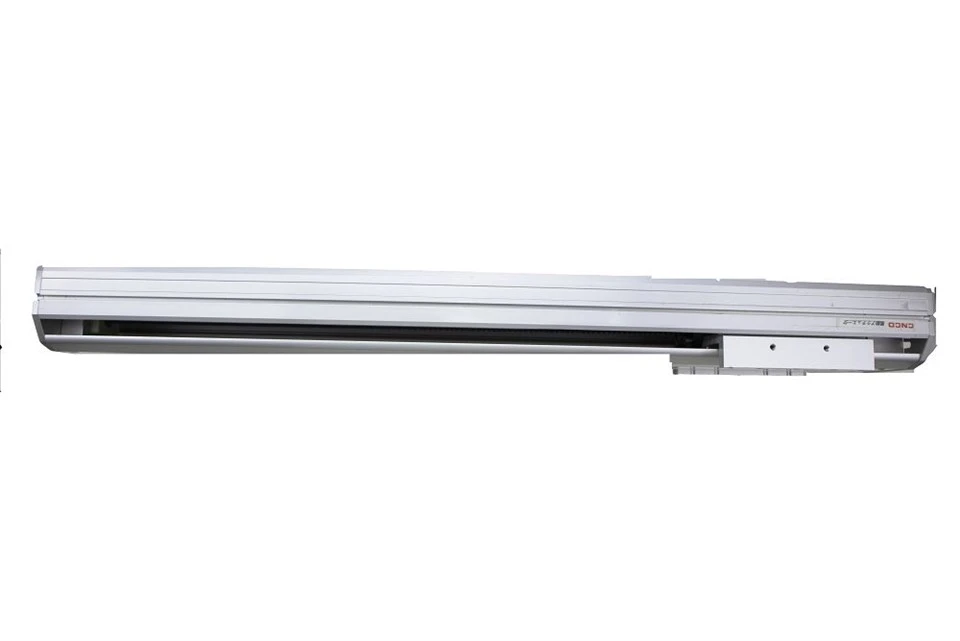
Before we talk about maintenance costs, let's quickly go over what manual linear modules are. These are mechanical devices that let you move an object in a straight line. They're used in all sorts of industries, from manufacturing to electronics. They're super handy because they can be adjusted manually, which is great for small - scale operations or prototyping.
There are different types of manual linear modules out there. For example, the Kk Linear Module is a popular one. It's known for its simplicity and reliability. Then, there's the Semi - closed Screw Linear Module, which offers a bit more precision. And if you need a more complex setup, the Gantry Linear Modules are a great option as they can handle larger loads and more complex movements.
Factors Affecting Maintenance Cost
Now, let's get to the meat of the matter: what affects the maintenance cost of manual linear modules?
1. Usage Frequency
The more you use a manual linear module, the more wear and tear it'll experience. If you're running a production line where the module is in use 24/7, it's going to need more maintenance compared to a module that's only used occasionally for small projects. For instance, in a high - volume manufacturing plant, the linear modules might need to be inspected and serviced every few weeks. On the other hand, a small - scale workshop might only need to do maintenance a couple of times a year.
2. Environmental Conditions
The environment where the linear module operates can also have a big impact on maintenance costs. If the module is exposed to dust, dirt, or humidity, it can cause the components to corrode or jam. For example, in a factory with a lot of sawdust from woodworking, the dust can get into the moving parts of the linear module and cause friction. This friction can wear out the parts faster, leading to more frequent replacements and higher maintenance costs. In a clean, climate - controlled environment, the module will generally last longer and require less maintenance.
3. Quality of the Module
The quality of the manual linear module you choose plays a huge role in maintenance costs. Higher - quality modules are usually made with better materials and more precise manufacturing processes. They're less likely to break down, and when they do need maintenance, the parts are often more durable and long - lasting. Sure, high - quality modules might cost more upfront, but in the long run, they can save you a lot of money on maintenance.
4. Type of Lubrication
Lubrication is essential for the smooth operation of manual linear modules. Using the right type of lubricant can reduce friction and wear on the moving parts. Different modules require different types of lubricants. For example, some modules might work best with a silicone - based lubricant, while others might need a grease - based one. If you use the wrong lubricant, it can actually cause more problems, such as attracting dirt or causing corrosion. Changing the lubricant at the right intervals is also crucial. If you wait too long, the lubricant can break down and lose its effectiveness.
Cost Breakdown
Let's look at the different elements that make up the maintenance cost of manual linear modules.
1. Inspection and Cleaning
Regular inspections are necessary to catch any potential problems before they become serious. During an inspection, you'll check for things like loose screws, worn - out parts, or signs of corrosion. Cleaning the module is also important to remove any dirt or debris that could cause problems. The cost of inspection and cleaning mainly comes from the labor involved. If you have an in - house technician, it'll cost you their hourly wage. If you hire an outside contractor, they'll usually charge a flat fee for the service.
2. Part Replacement
Over time, some parts of the manual linear module will wear out and need to be replaced. Common parts that might need replacing include bearings, screws, and belts. The cost of part replacement can vary widely depending on the type of module and the part. For example, a simple bearing might cost only a few dollars, while a specialized screw could cost much more. And if you have a high - end module, the parts might be more expensive because they're made with better materials.
3. Lubrication
As I mentioned earlier, lubrication is essential. The cost of lubrication includes the price of the lubricant itself and the labor to apply it. Different lubricants have different prices, and the amount you need depends on the size and type of the module. Applying the lubricant also requires time and skill, so there's a labor cost involved as well.
Calculating the Total Maintenance Cost
To calculate the total maintenance cost of a manual linear module over a certain period, you need to add up all the costs we've talked about. Let's say you have a manual linear module that you use moderately in a clean environment.
- Inspection and Cleaning: You decide to have an inspection and cleaning every six months. If an outside contractor charges $100 per service, that's $200 per year.
- Part Replacement: Based on the expected lifespan of the parts, you estimate that you'll need to replace some small parts once a year at a cost of $50.
- Lubrication: You need to lubricate the module every three months. The lubricant costs $20 per bottle, and it takes about an hour of labor at $20 per hour to apply it. So, that's ($20 + $20) x 4 = $160 per year.
In this case, the total annual maintenance cost would be $200 + $50+ $160 = $410.

Tips to Reduce Maintenance Cost
Here are some tips to help you keep the maintenance cost of your manual linear modules down.
1. Follow the Manufacturer's Guidelines
The manufacturer usually provides a maintenance manual with instructions on how often to inspect, clean, and lubricate the module. Following these guidelines can help you avoid unnecessary wear and tear and catch problems early.
2. Train Your Staff
If your employees are using the manual linear modules, make sure they're properly trained. They should know how to operate the modules correctly and how to spot any signs of trouble. This can prevent damage caused by improper use.
3. Keep a Spare Parts Inventory
Having a stock of common spare parts on hand can save you time and money. When a part needs to be replaced, you don't have to wait for it to be shipped, which can reduce downtime.
Conclusion
So, there you have it! The maintenance cost of manual linear modules depends on a variety of factors, including usage frequency, environmental conditions, quality of the module, and type of lubrication. By understanding these factors and following some simple tips, you can keep your maintenance costs under control.
If you're in the market for manual linear modules or want to learn more about reducing maintenance costs, don't hesitate to reach out. We're here to help you find the right solution for your needs and ensure that your linear modules run smoothly for years to come.
References
- General knowledge about linear modules from industry experience.
- Manufacturer's manuals for various manual linear modules.