

How to choose an automatic packaging machine
When choosing an automatic packaging machine, you should consider product characteristics, production requirements, packaging materials, cost budget, and supplier services. Here are some key considerations:
a. Product characteristics and packaging requirements
Product type and size: Choose the right type of packaging machine based on the type (solid, liquid, powder, etc.), shape, size, and weight of the product to be packaged.
Packaging form: Determine whether it needs to be bagged, boxed, bottled, or other specific packaging forms.
Packaging speed: Choose a machine that can meet the production capacity based on production volume requirements, usually expressed in the number of packages per minute or hour.
b. Packaging material
Material type: Consider using film, carton, aluminum foil, composite materials, etc. to ensure that the machine is compatible.
Material size: Including roll film width, thickness, and roll size of packaging material, all of which will affect the choice of machine.
c. Functionality and flexibility
Automation level: From simple semi-automatic to fully automated production lines, choose according to budget and production efficiency requirements.
Adjustability: Whether the machine is easy to adjust to different sizes and types of packaging.
Additional functions: such as printing date, batch number, easy-tear edge, sealing style (heat seal, cold seal, glue seal), etc.
d. Accuracy and reliability
Packaging accuracy: ensure that the machine can achieve the required packaging size, weight and sealing quality.
Stability and durability: choose a machine with good manufacturing quality, low failure rate and easy maintenance.
e. Cost-benefit analysis
Investment cost: consider the total cost of purchasing, installing and supporting equipment.
Operating cost: includes energy consumption, maintenance cost, and consumables (such as packaging materials, heat sealing tape).
Long-term benefits: potential benefits of improving production efficiency, reducing manual errors, and reducing labor costs.
f. Technical support and upgrades
Software compatibility: whether it can be integrated with existing production management systems (MES), ERP systems, etc.
Upgrade potential: consider the possibility of future technology upgrades to adapt to production changes or add new functions.

How to choose a filling machine
When choosing a filling machine, you should consider product characteristics, production requirements, filling accuracy, cost budget, and supplier services. Here are some key considerations:
a. Product characteristics and filling requirements
Product type: First, make sure whether it is a liquid, paste, granular or powdered product. Different types of products have different requirements for filling machines.
Viscosity and foam: High-viscosity or foaming products require specially designed filling heads and systems.
Corrosiveness and hygiene requirements: Food, pharmaceutical and other industries need to consider anti-corrosion and sanitary materials and comply with relevant industry standards.
b. Filling accuracy and speed
Accuracy requirements: According to product value and industry standards, choose equipment that can achieve the required filling accuracy.
Production speed: According to production volume requirements, select the matching number of filling heads and machine speed, usually in bottles/hour or liters/hour.
c. Filling method and container adaptability
Filling method: There are many methods such as gravity filling, pressure filling, vacuum filling, etc., which can be selected according to product characteristics.
Container diversity: Consider whether you need to frequently change container types and sizes, and choose a filling machine that can be adjusted quickly.
d. Automation and flexibility
Automation level: From manual, semi-automatic to fully automatic, choose according to budget and production scale.
Programmable logic controller (PLC): Whether it has flexible program control and is easy to adjust and upgrade.
Integration capability: Whether it can be integrated with other equipment on the production line (such as conveyor belts, labeling machines, and capping machines).
e. Material and cleaning
Material: The material of parts that come into contact with the product should meet food safety standards and be easy to clean and disinfect.
Ease of cleaning: Consider whether the machine design is convenient for daily cleaning and deep cleaning, such as CIP (cleaning in place) or SIP (sterilization in place) functions.
f. Cost and benefit
Initial investment: Includes equipment purchase, installation and commissioning costs.
Operational costs: Includes energy consumption, maintenance costs, replacement of wearing parts, etc.
Return analysis: Comprehensively consider factors such as improved production efficiency, labor cost savings, and reduced scrap rates to evaluate the investment return cycle.
g. Technical support and upgrades
Technical support: whether continuous technical support and software upgrade services are provided.
Future scalability: consider whether the equipment is easy to upgrade or increase capacity to accommodate future production growth.
How to choose a film wrapping machine
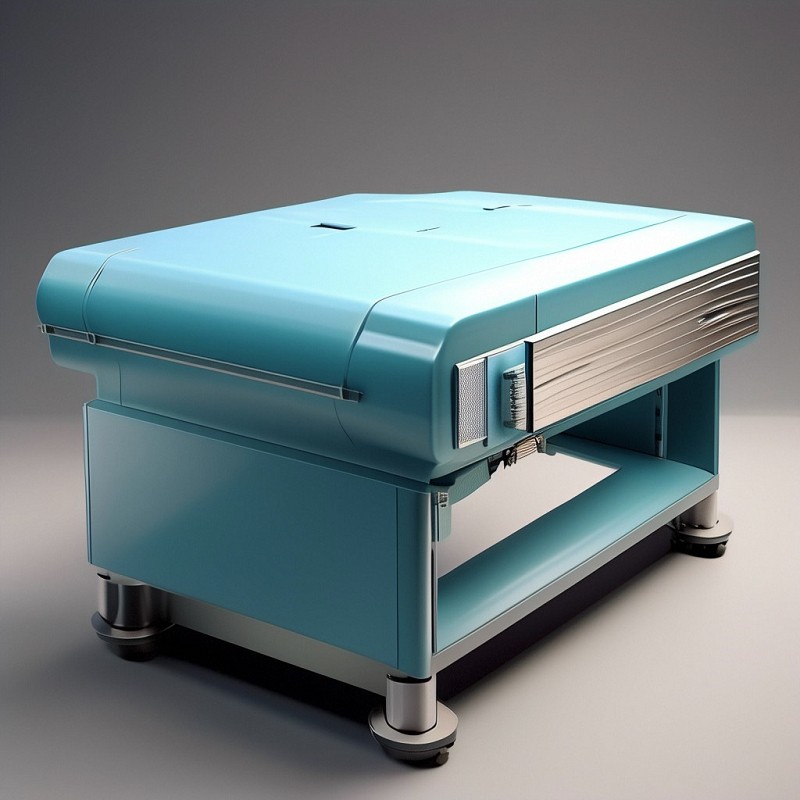
When choosing a film wrapping machine (also called a shrink film packaging machine or heat shrink packaging machine), you need to consider the size, shape, material, packaging speed, efficiency, cost budget and other factors of the product. Here are some key considerations:
a. Product characteristics
Product size and shape: Choose a film wrapping machine that can adapt to the product size range, considering the length, width, height and whether the product is regular in shape.
Product material: Make sure that the film wrapping material (such as PE, PVC, POF, etc.) is compatible with the product material and will not cause damage or pollution.
b. Packaging requirements
Packaging form: Whether it is fully enclosed packaging, semi-enclosed packaging or pallet packaging, different requirements correspond to different types of film wrapping machines.
Packaging speed: Select the packaging rate of the film wrapping machine according to the production volume and the speed requirements of the production line.
Packaging effect: Consider the requirements for the appearance of the packaging, such as transparency, tightness, aesthetics, etc.
c. Machine type
Manual, semi-automatic or fully automatic: Determined by production scale and budget. Manual is suitable for small-scale or occasional use, while fully automatic is suitable for large-scale continuous production.
Conveying mode: linear, rotary or L-shaped wrapping machine, different designs are suitable for different production line layouts and product types.
d. Heat treatment system
Heating method: electric heating, infrared, hot air circulation, etc. Different heating methods affect packaging effect and energy consumption.
Temperature control: Accurate temperature control is crucial for packaging effect and material saving. Choose a film wrapping machine with a temperature control system.
e. Energy efficiency and safety
Energy efficiency ratio: Consider the energy consumption and energy efficiency of the machine and choose energy-saving equipment.
Safety design: Including emergency stop button, safety protection device, etc. to ensure safe operation.
f. Cost and benefit
Investment cost: Choose cost-effective equipment according to the budget.
Operating cost: Including consumables (such as film wrapping materials), energy consumption, maintenance costs, etc.
Long-term benefits: Consider the durability of the equipment, the ease of maintenance and the improvement of production efficiency.
g. Scalability and customization
Compatibility and integration: Whether the film wrapping machine is easy to integrate with other packaging equipment (such as conveyor belts, sealing machines) to form a complete production line.
Customized requirements: For special packaging needs, can the supplier provide customized solutions.