

Stiffness is a crucial factor when it comes to the use of a Linear Motion Rolling Guide. As a supplier of Linear Motion Rolling Guides, I've seen firsthand how stiffness can significantly impact the performance and application of these guides. In this blog, I'll break down how stiffness affects the use of Linear Motion Rolling Guides and why it matters in various industries.
What is Stiffness in Linear Motion Rolling Guides?
Stiffness, in the context of Linear Motion Rolling Guides, refers to the ability of the guide to resist deformation under load. A stiffer guide will maintain its shape and position more accurately when subjected to external forces. This is essential for ensuring precise linear motion, which is critical in many industrial applications.
Think of it like a bridge. A bridge needs to be stiff enough to support the weight of cars and trucks without sagging or bending too much. Similarly, a Linear Motion Rolling Guide needs to be stiff enough to support the load of the moving parts without losing its accuracy.
Impact on Precision
One of the most significant impacts of stiffness on the use of a Linear Motion Rolling Guide is precision. In applications where high precision is required, such as in Recirculating Linear Ball Bearing, stiffness plays a vital role.
When a guide is stiff, it can maintain a consistent position and movement. This means that the moving parts can be positioned with high accuracy, reducing errors and improving the quality of the final product. For example, in a CNC machine, a stiff Linear Motion Rolling Guide ensures that the cutting tool moves precisely along the desired path, resulting in a more accurate and high-quality machined part.
On the other hand, if the guide is not stiff enough, it may deform under load, causing the moving parts to deviate from their intended path. This can lead to poor precision, increased scrap rates, and reduced productivity.

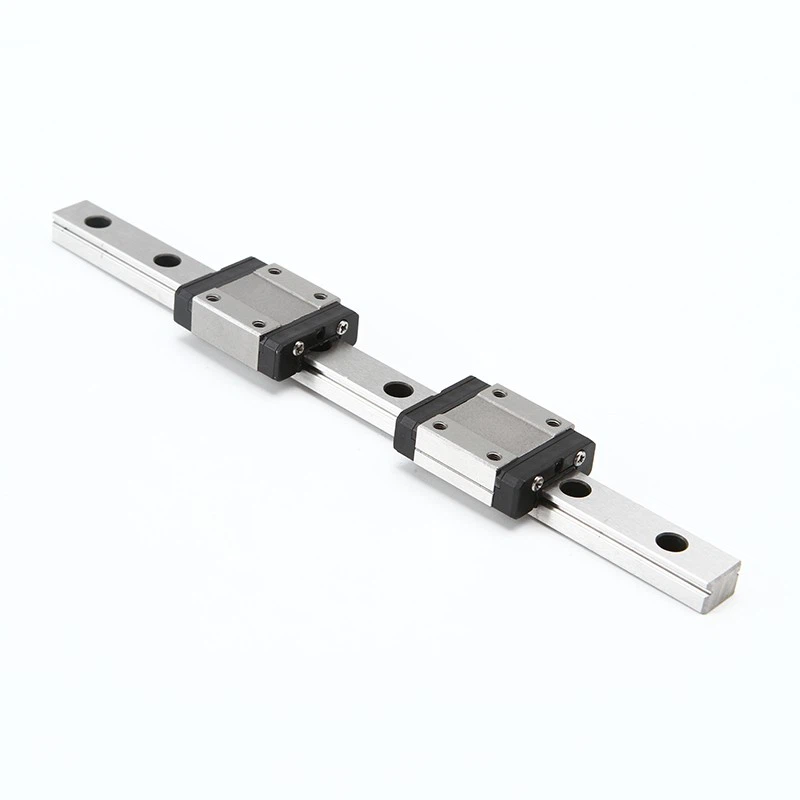
Impact on Load Capacity
Stiffness also affects the load capacity of a Linear Motion Rolling Guide. A stiffer guide can withstand higher loads without deforming or failing. This is important in applications where heavy loads need to be moved, such as in Linear Guides for Machine Tools.
When a guide has high stiffness, it can distribute the load more evenly across its structure. This reduces the stress on individual components and increases the overall load capacity of the guide. For example, in a large industrial press, a stiff Linear Motion Rolling Guide can support the heavy forces generated during the pressing operation without experiencing excessive wear or failure.
Conversely, a guide with low stiffness may not be able to handle high loads effectively. It may deform or break under heavy loads, leading to costly downtime and repairs.
Impact on Durability
Another important aspect of stiffness is its impact on the durability of a Linear Motion Rolling Guide. A stiff guide is less likely to experience excessive wear and tear over time. This is because it can better resist the forces that cause deformation and damage.
In applications where the guide is subjected to repeated motion and high loads, such as in Industrial Equipment Guide Rail System, durability is crucial. A stiff guide can maintain its performance and accuracy for a longer period, reducing the need for frequent replacements and maintenance.
For example, in a conveyor system, a stiff Linear Motion Rolling Guide can withstand the continuous movement of heavy loads without wearing out quickly. This ensures that the conveyor system operates smoothly and efficiently for an extended period.
Impact on Vibration and Noise
Stiffness can also have an impact on vibration and noise levels in a Linear Motion Rolling Guide. A stiffer guide can dampen vibrations more effectively, reducing noise and improving the overall operating environment.
In applications where low noise and vibration are important, such as in medical equipment or precision measurement devices, a stiff guide can make a significant difference. By reducing vibrations, the guide can improve the accuracy and reliability of the equipment, as well as provide a more comfortable working environment for operators.
Choosing the Right Stiffness
When selecting a Linear Motion Rolling Guide, it's important to choose the right stiffness for your application. The stiffness requirements will depend on several factors, including the load, speed, and precision requirements of the application.
For high-precision applications, a stiffer guide is usually preferred. However, it's important to balance stiffness with other factors, such as cost and weight. A very stiff guide may be more expensive and heavier, which may not be suitable for all applications.
As a supplier, we can help you choose the right Linear Motion Rolling Guide based on your specific requirements. We have a wide range of guides with different stiffness levels and features to meet the needs of various industries.
Conclusion
In conclusion, stiffness has a significant impact on the use of a Linear Motion Rolling Guide. It affects precision, load capacity, durability, vibration, and noise levels. By understanding how stiffness works and its importance in different applications, you can make an informed decision when selecting a guide for your equipment.
If you're in the market for a Linear Motion Rolling Guide, or if you have any questions about stiffness or our products, don't hesitate to reach out. We're here to help you find the right solution for your needs. Contact us today to start a conversation about your requirements and how we can assist you.
References
- "Linear Motion Technology Handbook"
- Industry reports on linear motion systems