

Hey there! As a supplier of KK linear modules, I often get asked about the lifespan of these nifty little devices. So, I thought I'd take a moment to break it down for you.
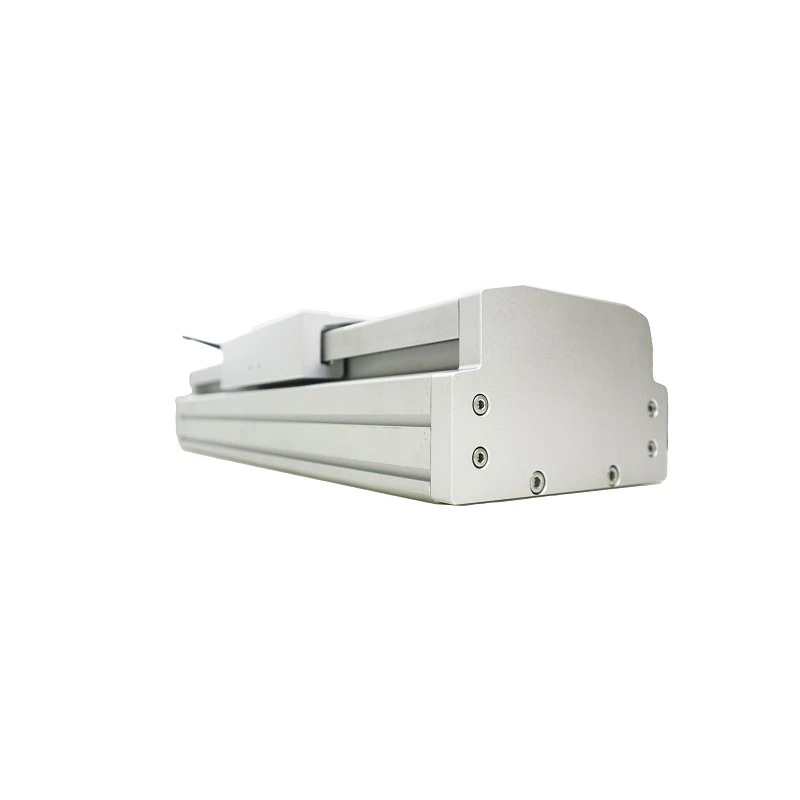
First off, let's talk about what KK linear modules are. They're basically mechanical components that are used to convert rotary motion into linear motion. You'll find them in all sorts of applications, from industrial automation to 3D printers. They're super useful because they can provide precise and smooth linear movement, which is essential for a lot of tasks.
Now, when it comes to the lifespan of KK linear modules, there isn't a one - size - fits - all answer. It depends on a bunch of factors.
Factors Affecting the Lifespan
1. Usage Frequency
Just like any other piece of machinery, the more you use a KK linear module, the faster it's going to wear out. If it's running 24/7 in a high - volume industrial setting, it's going to have a shorter lifespan compared to one that's used only occasionally in a hobbyist's 3D printer. For example, in a factory where a linear module is part of an assembly line that runs non - stop, the components are constantly under stress. The bearings, which are crucial for smooth movement, will start to show signs of wear much quicker.
2. Load Capacity
The amount of weight or force that the linear module has to carry also plays a big role. If you're overloading the module, it's going to put extra strain on the components. Say you have a KK linear module rated for a certain load capacity, but you're using it to move a much heavier object. This can cause the ball screws, which are responsible for the linear movement, to wear out faster. The ball nuts may also experience more friction, leading to premature failure.
3. Environmental Conditions
The environment in which the linear module operates can have a huge impact on its lifespan. If it's in a dirty or dusty environment, particles can get into the moving parts and cause abrasion. For instance, in a construction site where there's a lot of dust, the dust can seep into the bearings and ball screws, increasing the friction and reducing the efficiency of the module. Similarly, if the module is exposed to high temperatures or humidity, it can cause corrosion of the metal components.
4. Maintenance
Proper maintenance is key to extending the lifespan of a KK linear module. Regular cleaning to remove dirt and debris, lubrication of the moving parts, and checking for loose bolts or other signs of wear can make a big difference. For example, if you don't lubricate the ball screws regularly, the friction between the balls and the screw shaft will increase, leading to faster wear.
Typical Lifespan Estimates
On average, with normal usage and proper maintenance, a KK linear module can last anywhere from 2,000 to 10,000 hours of operation. However, this is a very rough estimate. In a well - maintained, low - load, and clean environment, some modules can last even longer.
Let's say you have a Manual Linear Modules used in a small - scale DIY project. If you're only using it for a few hours a week and you're keeping it clean and lubricated, it could easily last for 10,000 hours or more. On the other hand, a Dual Axis Linear Modules in a high - speed industrial application with heavy loads might only last 2,000 hours or less if not properly maintained.
Gantry Linear Modules are often used in large - scale industrial setups where precision and durability are crucial. These modules, when well - maintained and used within their load capacity, can also have a relatively long lifespan. But again, it all depends on the specific usage conditions.
How to Extend the Lifespan
1. Choose the Right Module
Make sure you select a KK linear module that's appropriate for your application. Check the load capacity, speed ratings, and other specifications to ensure it can handle the job. If you're unsure, don't hesitate to ask for advice.
2. Follow a Maintenance Schedule
Set up a regular maintenance routine. This could include weekly cleaning, monthly lubrication, and quarterly inspections. Keep a record of the maintenance activities so you can track the condition of the module over time.
3. Protect the Module
If possible, install the linear module in a clean and controlled environment. You can also use protective covers to prevent dust and debris from getting into the moving parts.
Conclusion
So, as you can see, the lifespan of KK linear modules can vary widely depending on how they're used and maintained. Whether you're a hobbyist looking for a reliable component for your DIY project or an industrial engineer in charge of a large - scale automation system, understanding these factors is crucial.
If you're in the market for KK linear modules, we've got you covered. We offer a wide range of high - quality modules that are built to last. Our team of experts can help you choose the right module for your specific needs and provide you with all the information you need on maintenance and installation. If you're interested in purchasing or have any questions, don't hesitate to reach out. We're here to help you get the most out of your linear modules.

References
- General knowledge on mechanical engineering and linear motion components.
- Industry reports on the performance and lifespan of linear modules.