

What is the influence of speed on the performance of a linear shaft guide?
As a dedicated supplier of linear shaft guides, I've witnessed firsthand the critical role that speed plays in the performance of these essential components. Linear shaft guides are fundamental in various industries, from manufacturing and automation to robotics and aerospace. They provide the necessary support and guidance for linear motion, ensuring precision and efficiency in countless applications. In this blog, I'll delve into the intricate relationship between speed and the performance of linear shaft guides, exploring the factors at play and the implications for users.
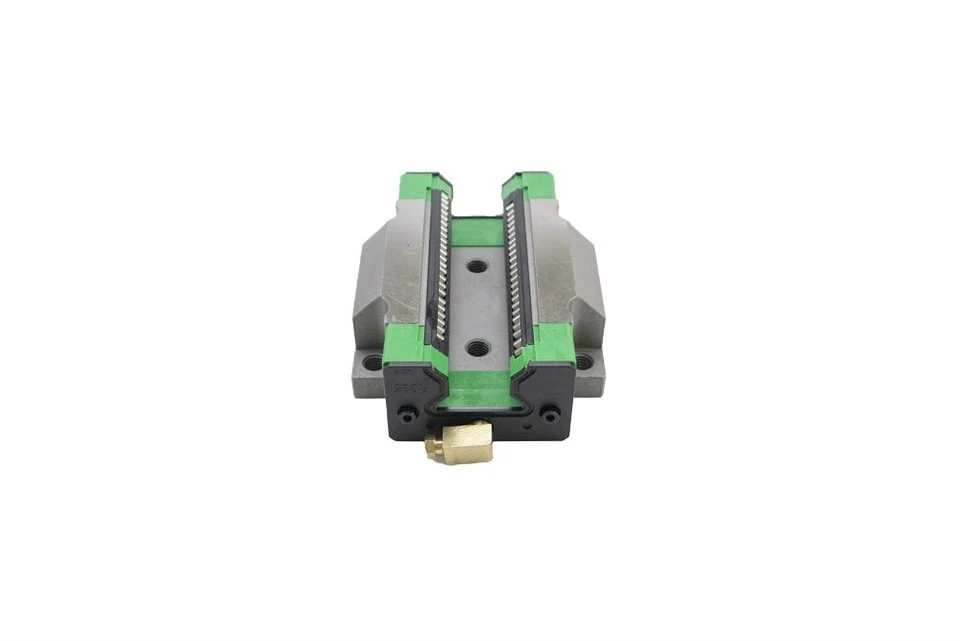

1. Friction and Wear
One of the most significant impacts of speed on a linear shaft guide is its effect on friction and wear. As the speed of the moving component increases, so does the frictional force between the guide and the shaft. This is due to the increased contact pressure and the higher rate of relative motion between the surfaces. The higher friction generates more heat, which can lead to thermal expansion and deformation of the guide and shaft materials. Over time, this can cause premature wear and tear, reducing the lifespan of the linear shaft guide and compromising its performance.
To mitigate the effects of friction and wear at high speeds, it's crucial to select a linear shaft guide with low friction coefficients. Our High Quality Linear Guide Rail is designed with advanced materials and precision engineering to minimize friction, ensuring smooth and efficient operation even at high speeds. Additionally, proper lubrication is essential to reduce friction and dissipate heat. Regular maintenance and lubrication can significantly extend the life of the linear shaft guide and maintain its performance over time.
2. Dynamic Load Capacity
Another important consideration when operating a linear shaft guide at high speeds is its dynamic load capacity. The dynamic load capacity refers to the maximum load that the guide can withstand while in motion. As the speed increases, the dynamic load capacity of the linear shaft guide may decrease due to factors such as increased vibration and inertia.
When selecting a linear shaft guide for high-speed applications, it's essential to choose a guide with a sufficient dynamic load capacity to handle the expected loads. Our Smooth Motion Linear Guide is engineered to provide high dynamic load capacity, ensuring reliable performance even under demanding conditions. By accurately calculating the loads and selecting the appropriate guide, users can avoid overloading the guide and prevent premature failure.
3. Vibration and Noise
High speeds can also introduce vibration and noise into the system, which can have a negative impact on the performance and reliability of the linear shaft guide. Vibration can cause misalignment, increased wear, and reduced accuracy, while excessive noise can be a nuisance and may indicate potential problems with the guide or the system.
To minimize vibration and noise at high speeds, it's important to ensure proper installation and alignment of the linear shaft guide. Our Linear Bearing Rail is designed with precision tolerances and advanced damping technologies to reduce vibration and noise, providing a smooth and quiet operation. Additionally, using flexible couplings and vibration isolation mounts can help to further dampen vibrations and protect the guide from damage.
4. Accuracy and Repeatability
In many applications, accuracy and repeatability are critical requirements. However, high speeds can pose challenges to achieving these goals. As the speed increases, the inertia of the moving component can cause it to overshoot or undershoot its target position, leading to reduced accuracy and repeatability.
To maintain accuracy and repeatability at high speeds, it's essential to use a linear shaft guide with high precision and stiffness. Our linear shaft guides are manufactured to strict quality standards, ensuring precise motion control and excellent repeatability. Additionally, advanced control systems and feedback mechanisms can be used to compensate for the effects of speed and inertia, allowing for accurate and repeatable positioning even at high speeds.
5. Heat Generation
As mentioned earlier, high speeds can generate significant amounts of heat due to friction. Excessive heat can have a detrimental effect on the performance of the linear shaft guide, causing thermal expansion, material degradation, and reduced lubricant effectiveness.
To manage heat generation at high speeds, it's important to select a linear shaft guide with good thermal conductivity and heat dissipation properties. Our guides are designed with materials that can effectively transfer heat away from the contact surfaces, preventing overheating and ensuring reliable operation. Additionally, cooling systems such as fans or heat sinks can be used to further dissipate heat and maintain optimal operating temperatures.
Conclusion
In conclusion, speed has a profound influence on the performance of a linear shaft guide. From friction and wear to dynamic load capacity, vibration and noise, accuracy and repeatability, and heat generation, every aspect of the guide's performance can be affected by the operating speed. As a supplier of high-quality linear shaft guides, we understand the challenges associated with high-speed applications and are committed to providing our customers with products that can meet their specific needs.
When selecting a linear shaft guide for high-speed applications, it's essential to consider all of these factors and choose a guide that is designed to perform under the expected conditions. Our range of High Quality Linear Guide Rail, Smooth Motion Linear Guide, and Linear Bearing Rail offers the performance, reliability, and precision required for high-speed operations.
If you're looking for a linear shaft guide that can deliver exceptional performance at high speeds, we invite you to contact us to discuss your specific requirements. Our team of experts is ready to assist you in selecting the right guide for your application and providing you with the support and service you need to ensure success.
References
- Harris, T. A., & Kotzalas, M. N. (2007). Rolling Bearing Analysis. Wiley.
- Loewen, M. B., & Johnson, K. L. (1980). Elastohydrodynamic Lubrication. Butterworth-Heinemann.
- Shigley, J. E., Mischke, C. R., & Budynas, R. G. (2004). Mechanical Engineering Design. McGraw-Hill.