

As a supplier of Linear Shaft Guides, I've witnessed firsthand the crucial role these components play in various industrial applications. One of the most significant factors that can impact the performance of a linear shaft guide is its heat resistance. In this blog, we'll explore the influence of heat resistance on the performance of a linear shaft guide and why it's essential for businesses to consider this factor when making purchasing decisions.
Understanding Linear Shaft Guides
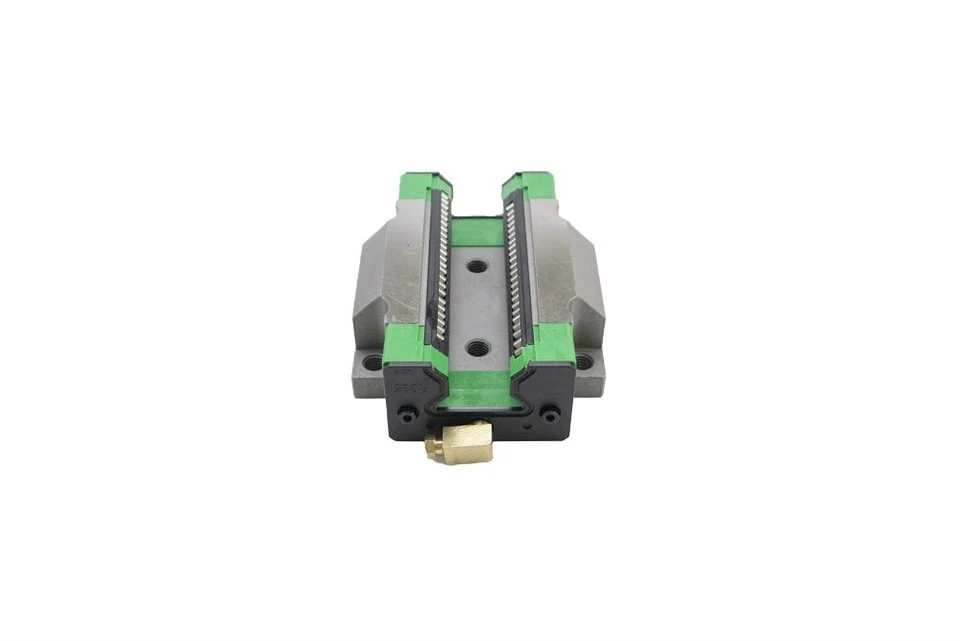
Before delving into the impact of heat resistance, let's briefly understand what linear shaft guides are. Linear shaft guides are mechanical components used to provide smooth and precise linear motion in a wide range of applications, from manufacturing equipment to automation systems. They typically consist of a shaft and a bearing block, which work together to guide the movement of a load along a straight path.
The performance of a linear shaft guide is measured by several key factors, including accuracy, smoothness of motion, load capacity, and durability. Heat resistance, often overlooked, can have a profound effect on these performance indicators.
The Impact of Heat on Linear Shaft Guides
Heat can be generated in a linear shaft guide due to various reasons, such as friction between the shaft and the bearing block, high-speed operation, or external environmental factors. When a linear shaft guide is exposed to high temperatures, it can experience several detrimental effects:
1. Expansion and Contraction
Metals, which are commonly used in the construction of linear shaft guides, expand when heated and contract when cooled. This thermal expansion and contraction can cause dimensional changes in the shaft and the bearing block. If the expansion is not properly accounted for, it can lead to increased clearance between the components, resulting in reduced accuracy and increased play in the system. Over time, this can cause premature wear and tear on the guide, leading to a shorter lifespan.
2. Lubricant Breakdown
Most linear shaft guides rely on lubricants to reduce friction and ensure smooth operation. However, high temperatures can cause the lubricant to break down, losing its effectiveness. When the lubricant breaks down, the friction between the shaft and the bearing block increases, leading to higher operating temperatures and further accelerating the wear process. This can result in increased noise, vibration, and reduced efficiency of the linear shaft guide.
3. Material Degradation
Exposure to high temperatures can also cause the material of the linear shaft guide to degrade. For example, the hardness of the metal can decrease, making it more susceptible to wear and deformation. In extreme cases, the material can even undergo a phase change, altering its mechanical properties and rendering the guide ineffective.
Benefits of High Heat Resistance
On the other hand, linear shaft guides with high heat resistance offer several advantages:
1. Improved Accuracy
By maintaining dimensional stability at high temperatures, heat-resistant linear shaft guides can provide more accurate linear motion. This is particularly important in applications where precision is critical, such as in the semiconductor manufacturing industry or in high-precision machining.
2. Extended Lifespan
Heat-resistant materials and lubricants can withstand the effects of high temperatures, reducing wear and tear on the guide. This results in a longer lifespan for the linear shaft guide, reducing the need for frequent replacements and maintenance.
3. Enhanced Efficiency
With reduced friction and wear, heat-resistant linear shaft guides can operate more efficiently. This translates to lower energy consumption and improved overall performance of the system.
Applications Requiring High Heat Resistance
There are several industries and applications where high heat resistance is a must for linear shaft guides:

1. Automotive Manufacturing
In automotive manufacturing, linear shaft guides are used in various processes, such as welding, painting, and assembly. These processes often involve high temperatures, and linear shaft guides with high heat resistance are essential to ensure smooth and accurate operation.
2. Aerospace Industry
The aerospace industry requires components that can withstand extreme conditions, including high temperatures. Linear shaft guides used in aircraft engines, landing gear systems, and other critical applications must have excellent heat resistance to ensure reliable performance.
3. Heavy Machinery
Heavy machinery, such as presses, crushers, and excavators, generates a significant amount of heat during operation. Linear shaft guides used in these machines need to be able to withstand high temperatures to maintain their performance and durability.
Our Solutions
As a leading supplier of linear shaft guides, we understand the importance of heat resistance in ensuring the optimal performance of these components. That's why we offer a range of Linear Motion System that are designed to withstand high temperatures.
Our Heavy Machinery Guide Block is specifically engineered for use in heavy machinery applications. It is made from high-quality materials with excellent heat resistance and is designed to provide smooth and reliable operation even under extreme conditions.
For applications that require high precision and smooth motion, our Smooth Motion Linear Guide is an ideal choice. It features advanced lubrication technology and heat-resistant materials to ensure long-lasting performance and accuracy.
Conclusion
In conclusion, heat resistance is a critical factor that can significantly impact the performance of a linear shaft guide. By understanding the effects of heat on these components and choosing linear shaft guides with high heat resistance, businesses can ensure smooth and accurate operation, extended lifespan, and enhanced efficiency of their systems.
If you're in the market for high-quality linear shaft guides with excellent heat resistance, we invite you to contact us for a consultation. Our team of experts can help you select the right product for your specific application and provide you with the support you need to ensure its successful implementation.
References
- "Engineering Materials and Their Applications" by Lawrence G. Kaufman and John W. Braithwaite
- "Mechanical Design Handbook" by Robert C. Juvinall and Kurt M. Marshek
- "Fundamentals of Machine Elements" by J.E. Shigley and C.R. Mischke