
What are the customization options for pneumatic grippers?
Hey there! I'm a supplier of pneumatic grippers, and I'm here to chat about the awesome customization options we have for these handy tools. Pneumatic grippers are used in a wide range of industries, from manufacturing to automotive, and having the ability to customize them can really up your game.

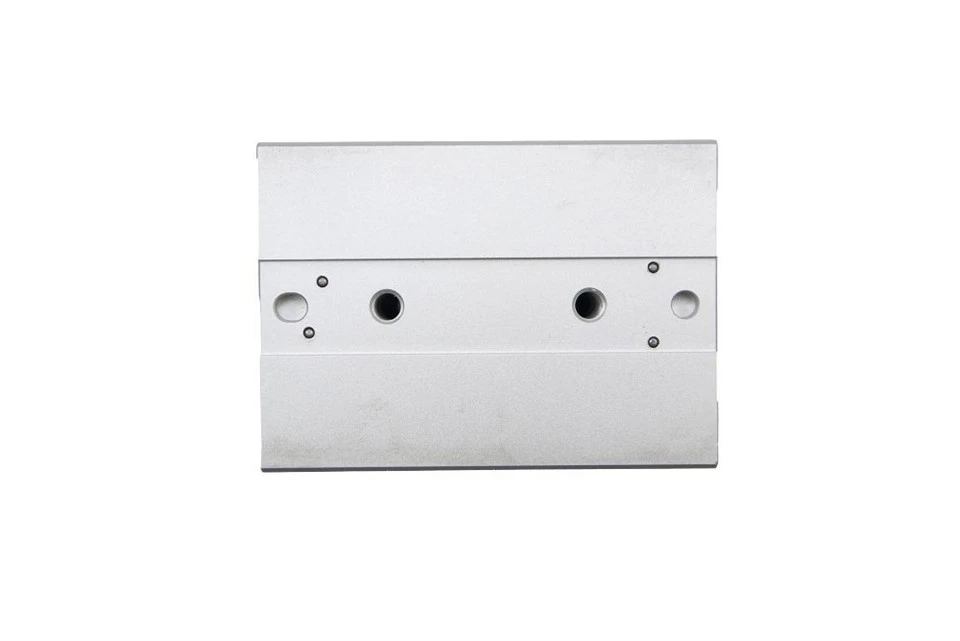
Let's start with the basics. Pneumatic grippers use compressed air to operate, and they come in different types and configurations. The most common ones are the 2 jaw air gripper and the 3 jaw pneumatic gripper. The 2 Jaw Air Gripper is great for simple gripping tasks, like picking up small parts. It's got two jaws that move in a parallel or angular motion to hold onto the object. On the other hand, the 3 Jaw Pneumatic Gripper provides more stability and can handle larger and irregularly shaped objects.
Now, let's dive into the customization options.
1. Jaw Design
The first thing you can customize is the jaw design. The jaws are the part of the gripper that actually touches and holds the object. Depending on what you're gripping, you might need different jaw shapes and materials.
- Shape: You can get jaws in various shapes, such as flat, serrated, or custom-machined shapes. Flat jaws are good for gripping smooth surfaces, while serrated jaws provide better grip on rough or slippery objects. If you have a unique part to grip, we can machine jaws to match its exact shape.
- Material: The material of the jaws is also crucial. For example, if you're handling delicate objects, you might want to use soft jaws made of rubber or plastic to prevent damage. For heavy-duty applications, metal jaws like steel or aluminum are more suitable.
2. Stroke Length
The stroke length of a pneumatic gripper refers to the distance the jaws can open and close. This is an important customization option because it determines the size of the objects the gripper can handle. If you need to grip small parts, a shorter stroke length might be sufficient. But if you're dealing with larger objects, you'll need a gripper with a longer stroke. We can adjust the stroke length according to your specific requirements.
3. Gripping Force
The gripping force is another key factor. It's the amount of force the gripper applies to hold the object. Different applications require different gripping forces. For example, if you're handling fragile items, you'll need a lower gripping force to avoid crushing them. On the other hand, if you're moving heavy parts, a higher gripping force is necessary. We can customize the gripping force of the pneumatic gripper to meet your needs.
4. Mounting Options
How you mount the gripper is also something that can be customized. There are different mounting styles available, such as flange mounting, base mounting, or side mounting. The mounting option you choose depends on the layout of your machine or equipment. We can provide the appropriate mounting hardware and design the gripper to fit your specific mounting requirements.
5. Actuation Method
Most pneumatic grippers are actuated by compressed air, but there are different ways to control the air flow. You can choose between single-acting and double-acting grippers. Single-acting grippers use air pressure to open or close the jaws, and a spring returns them to the original position. Double-acting grippers use air pressure to both open and close the jaws. Depending on your application, one type might be more suitable than the other.
6. Sensor Integration
In many modern applications, it's important to have sensors on the gripper to provide feedback. For example, you might want a sensor to detect when the gripper has successfully picked up an object or when it's about to drop it. We can integrate different types of sensors, such as proximity sensors or force sensors, into the pneumatic gripper.
7. Special Coatings
If your application involves harsh environments, like high temperatures, corrosive chemicals, or dusty conditions, you might need a gripper with special coatings. We can apply coatings like nickel plating, Teflon coating, or anodizing to protect the gripper from damage and extend its lifespan.
As a pneumatic gripper supplier, we understand that every customer has unique needs. That's why we offer these customization options to ensure that you get a gripper that works perfectly for your application. Whether you're in the food industry, electronics manufacturing, or any other field, we can help you find the right Pneumatic Gripper and customize it to your specifications.
If you're interested in purchasing pneumatic grippers and exploring the customization options, don't hesitate to reach out. We're here to assist you with any questions you might have and guide you through the process. You can start a conversation with us about your specific requirements, and we'll work together to come up with the best solution for your business.
References:
- Industry knowledge and experience in pneumatic gripper manufacturing
- Technical documentation of pneumatic gripper products