

As a seasoned supplier of linear modules, I understand the importance of troubleshooting these essential components effectively. Linear modules are widely used in various industries, including manufacturing, automation, and robotics, to provide precise linear motion. However, like any mechanical or electrical device, they can encounter issues that need to be addressed promptly to minimize downtime and ensure optimal performance. In this blog post, I will share some practical tips and techniques on how to troubleshoot a linear module.
Understanding the Basics of Linear Modules
Before diving into troubleshooting, it's essential to have a basic understanding of how linear modules work. A linear module typically consists of a linear guide, a ball screw or belt drive, a motor, and a control system. The linear guide provides a smooth and stable path for the moving component, while the ball screw or belt drive converts rotational motion into linear motion. The motor provides the power to move the component, and the control system regulates the speed, position, and direction of the motion.
Common Issues and Troubleshooting Steps
1. Mechanical Issues
- Noise and Vibration: Excessive noise and vibration can indicate a problem with the linear guide, ball screw, or bearings. Check for loose or damaged components, and ensure that the linear guide is properly lubricated. If the noise persists, it may be necessary to replace the worn-out parts.
- Binding or Sticking: If the linear module is binding or sticking during operation, it could be due to a misaligned linear guide, a damaged ball screw, or a lack of lubrication. Inspect the linear guide for any signs of damage or debris, and adjust the alignment if necessary. Check the ball screw for any signs of wear or damage, and lubricate it according to the manufacturer's recommendations.
- Low Precision: If the linear module is not achieving the desired level of precision, it could be due to a variety of factors, including a misaligned linear guide, a worn-out ball screw, or a faulty control system. Check the linear guide for any signs of wear or damage, and adjust the alignment if necessary. Inspect the ball screw for any signs of wear or damage, and replace it if needed. Check the control system for any error messages or malfunctions, and calibrate it if necessary.
2. Electrical Issues
- Motor Failure: If the motor fails to operate, it could be due to a variety of factors, including a blown fuse, a faulty motor controller, or a damaged motor. Check the fuse to ensure that it is not blown, and replace it if necessary. Inspect the motor controller for any error messages or malfunctions, and repair or replace it if needed. Check the motor for any signs of damage or overheating, and replace it if necessary.
- Control System Malfunction: If the control system is not working properly, it could be due to a variety of factors, including a faulty sensor, a damaged cable, or a software glitch. Check the sensors to ensure that they are working properly, and replace them if necessary. Inspect the cables for any signs of damage or loose connections, and repair or replace them if needed. Check the software for any error messages or glitches, and update it if necessary.
- Power Supply Issues: If the linear module is not receiving power, it could be due to a variety of factors, including a blown fuse, a faulty power supply, or a loose connection. Check the fuse to ensure that it is not blown, and replace it if necessary. Inspect the power supply for any error messages or malfunctions, and repair or replace it if needed. Check the connections to ensure that they are tight and secure.
Advanced Troubleshooting Techniques
1. Using Diagnostic Tools
- Oscilloscope: An oscilloscope can be used to measure the electrical signals in the linear module, including the voltage, current, and frequency. This can help you identify any electrical issues, such as a faulty motor controller or a damaged sensor.
- Multimeter: A multimeter can be used to measure the resistance, voltage, and current in the linear module. This can help you identify any electrical issues, such as a blown fuse or a damaged cable.
- Laser Alignment Tool: A laser alignment tool can be used to ensure that the linear guide is properly aligned. This can help you identify any mechanical issues, such as a misaligned linear guide or a damaged ball screw.
2. Performing a System Check
- Functional Test: Perform a functional test to ensure that the linear module is operating properly. This can include checking the speed, position, and direction of the motion, as well as the accuracy and repeatability of the movement.
- Load Test: Perform a load test to ensure that the linear module can handle the required load. This can include applying a known load to the linear module and measuring the performance.
- Environmental Test: Perform an environmental test to ensure that the linear module can operate in the required environment. This can include testing the linear module in different temperatures, humidity levels, and vibration conditions.
Preventive Maintenance
- Regular Inspection: Regularly inspect the linear module for any signs of wear or damage, and replace the worn-out parts as needed. This can help prevent major issues from occurring and extend the lifespan of the linear module.
- Lubrication: Follow the manufacturer's recommendations for lubrication, and ensure that the linear guide, ball screw, and bearings are properly lubricated. This can help reduce friction and wear, and improve the performance of the linear module.
- Cleaning: Regularly clean the linear module to remove any dirt, debris, or contaminants. This can help prevent damage to the components and ensure the smooth operation of the linear module.
Conclusion
Troubleshooting a linear module can be a challenging task, but with the right knowledge and tools, it can be done effectively. By understanding the basics of linear modules, identifying common issues, and using advanced troubleshooting techniques, you can quickly diagnose and fix any problems that may arise. Additionally, by performing preventive maintenance, you can help prevent major issues from occurring and extend the lifespan of the linear module.

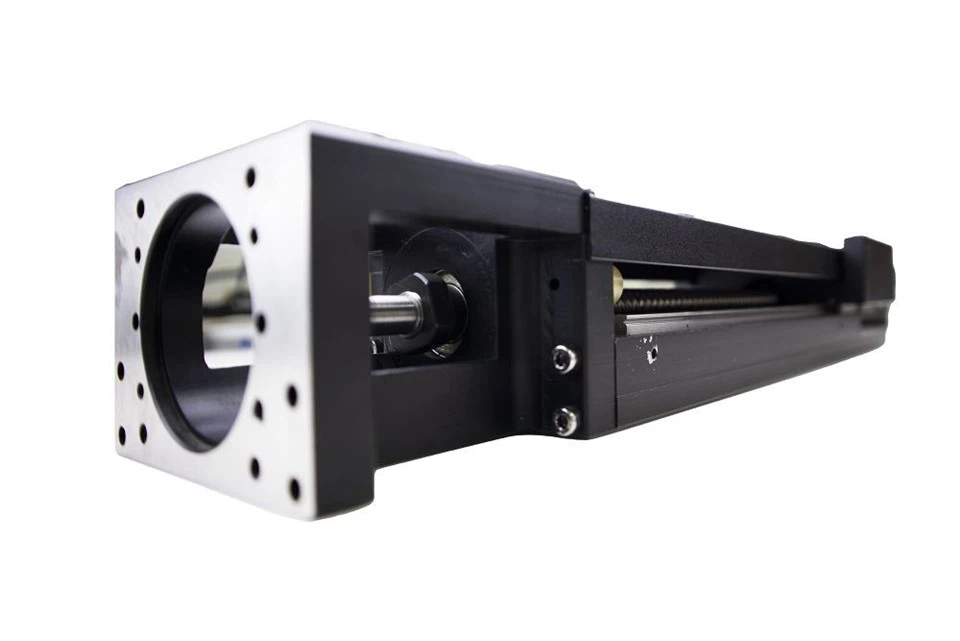
If you are experiencing any issues with your linear module, or if you have any questions or concerns, please do not hesitate to contact us. As a leading supplier of linear modules, we have the expertise and experience to help you find the right solution for your needs. We offer a wide range of linear modules, including Dual Axis Linear Modules, Manual Linear Modules, and Kk Linear Module. Contact us today to learn more about our products and services, and to discuss your specific requirements.
References
- Manufacturer's manuals and technical specifications.
- Industry standards and guidelines for linear motion systems.
- Technical articles and research papers on linear module troubleshooting.