

Installing bearing screws is a crucial process that requires precision and knowledge. As a trusted bearing screws supplier, I've witnessed firsthand the importance of proper installation in ensuring the optimal performance and longevity of these essential components. In this blog post, I'll guide you through the step-by-step process of installing bearing screws, providing valuable insights and tips along the way.

Understanding Bearing Screws
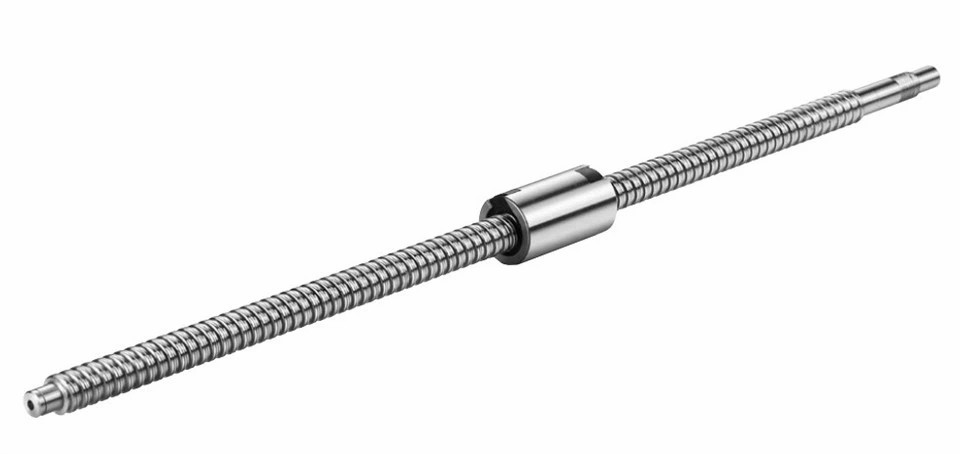
Before diving into the installation process, it's essential to have a basic understanding of bearing screws. Bearing screws are specialized fasteners designed to support radial and axial loads while providing smooth rotation. They are commonly used in various applications, including machinery, automotive, aerospace, and more.
There are different types of bearing screws available in the market, each with its unique features and applications. Some of the most common types include Straight Cylinder Type SCA Series Bearing, SCA Series Ball Bearing Drawer Slide Rail, and Double Nut DFU Series Bearing. Understanding the specific type of bearing screw you're working with is crucial for proper installation.
Tools and Materials Needed
Before you begin the installation process, gather the necessary tools and materials. Here's a list of items you'll typically need:
- Bearing screws
- Hex key or socket wrench (size appropriate for the bearing screw)
- Torque wrench
- Clean cloth
- Lubricant (if recommended by the manufacturer)
- Safety glasses and gloves
Step-by-Step Installation Guide
Step 1: Prepare the Work Area
Start by cleaning the work area to remove any dirt, debris, or contaminants. This will help prevent any foreign particles from getting into the bearing screw assembly, which could cause damage or affect performance. Use a clean cloth to wipe down the surface where the bearing screw will be installed.
Step 2: Inspect the Bearing Screws
Before installation, carefully inspect the bearing screws for any signs of damage, such as cracks, dents, or corrosion. If you notice any issues, do not use the bearing screws and contact your supplier for a replacement. Additionally, check the dimensions of the bearing screws to ensure they match the specifications of your application.
Step 3: Apply Lubricant (if necessary)
Some bearing screws may require lubrication to reduce friction and ensure smooth operation. Refer to the manufacturer's instructions to determine if lubrication is necessary and what type of lubricant to use. Apply a small amount of lubricant to the threads of the bearing screw using a clean cloth or a lubrication gun.
Step 4: Align the Bearing Screw
Position the bearing screw in the appropriate hole or mounting location. Make sure it is aligned correctly and sits flush with the surface. Use a hex key or socket wrench to hand-tighten the bearing screw until it is snug. Avoid over-tightening at this stage, as it could damage the threads or the bearing screw itself.
Step 5: Torque the Bearing Screw
Once the bearing screw is hand-tightened, use a torque wrench to tighten it to the recommended torque specification. The torque specification can usually be found in the manufacturer's instructions or on the packaging of the bearing screws. Applying the correct torque is crucial to ensure the bearing screw is properly secured and to prevent over-tightening or under-tightening, which can lead to premature failure.
Step 6: Check for Proper Installation
After torquing the bearing screw, visually inspect the installation to ensure it is correct. Check that the bearing screw is flush with the surface and that there are no signs of misalignment or damage. You can also gently rotate the bearing screw to ensure it moves smoothly without any resistance.
Step 7: Repeat the Process
If you need to install multiple bearing screws, repeat the above steps for each one. Make sure to follow the same installation process and torque specifications for each bearing screw to ensure consistent performance.
Tips for Successful Installation
- Read the Manufacturer's Instructions: Always refer to the manufacturer's instructions for specific installation guidelines and torque specifications. Different types of bearing screws may have different installation requirements, so it's important to follow the recommended procedures.
- Use the Right Tools: Using the correct tools is essential for proper installation. Make sure you have the appropriate hex key or socket wrench and a torque wrench to ensure accurate tightening.
- Take Your Time: Installing bearing screws requires precision and attention to detail. Take your time to ensure each step is done correctly, and don't rush the process.
- Inspect Regularly: After installation, regularly inspect the bearing screws for any signs of wear, damage, or loosening. This will help you identify and address any issues before they become major problems.
Troubleshooting Common Installation Issues
- Over-tightening: Over-tightening the bearing screw can cause damage to the threads, the bearing screw itself, or the surrounding components. If you suspect over-tightening, carefully loosen the bearing screw and re-tighten it to the correct torque specification.
- Under-tightening: Under-tightening the bearing screw can result in it coming loose during operation, which can lead to vibrations, noise, and potential damage. If you notice any signs of loosening, use a torque wrench to tighten the bearing screw to the recommended torque.
- Misalignment: If the bearing screw is not aligned correctly, it can cause uneven loading and premature wear. If you encounter misalignment issues, carefully reposition the bearing screw and ensure it is properly aligned before tightening.
Conclusion
Installing bearing screws correctly is essential for ensuring the optimal performance and longevity of your equipment. By following the step-by-step guide and tips outlined in this blog post, you can install bearing screws with confidence and avoid common installation issues. Remember, if you have any questions or need further assistance, don't hesitate to contact us as your trusted bearing screws supplier.
We are committed to providing high-quality bearing screws and excellent customer service. If you're in the market for bearing screws or have any procurement needs, we invite you to reach out to us for a consultation. Our team of experts is here to help you find the right bearing screws for your application and provide you with the support you need throughout the installation process.
References
- Manufacturer's instructions for bearing screws
- Industry standards and guidelines for bearing screw installation