

Cleaning bearing screws is a crucial maintenance task that can significantly extend the lifespan and enhance the performance of your bearings. As a leading bearing screws supplier, I understand the importance of proper cleaning techniques. In this blog, I'll share some effective methods to clean bearing screws and keep your bearings in top - notch condition.
Why Cleaning Bearing Screws is Important
Bearing screws are essential components that hold bearings in place. Over time, they can accumulate dirt, dust, grease, and other contaminants. These contaminants can cause several problems. Firstly, they can increase friction between the screw and the bearing, leading to premature wear and tear. Secondly, dirt and debris can corrode the screw surface, weakening its structural integrity. Thirdly, the presence of contaminants can affect the smooth operation of the bearing, resulting in reduced efficiency and increased noise.
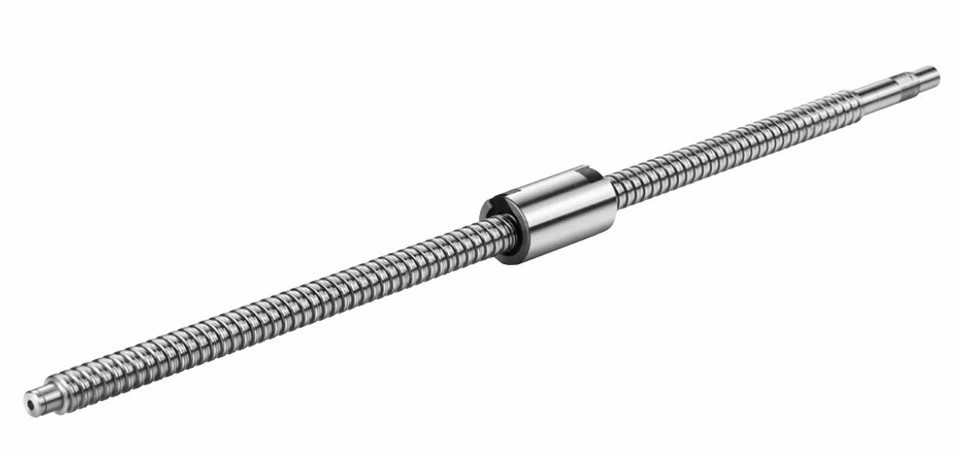

Pre - cleaning Preparation
Before you start cleaning the bearing screws, it's important to gather the necessary tools and materials. You'll need a cleaning solvent, a soft - bristle brush, a clean cloth, and a container for soaking the screws. Make sure the cleaning solvent is suitable for the material of the bearing screws. For most metal screws, a mild degreaser or a specialized bearing cleaner is a good choice.
Step - by - Step Cleaning Process
Step 1: Disassembly
If the bearing screws are part of an assembled bearing unit, carefully disassemble the unit. Use the appropriate tools, such as a screwdriver or a wrench, to remove the screws. Be gentle to avoid damaging the screws or other components. Place the removed screws in a container to prevent them from getting lost.
Step 2: Soaking
Fill the container with the cleaning solvent and immerse the bearing screws in it. Let the screws soak for a sufficient amount of time, usually around 15 - 30 minutes. This will help to loosen the dirt and grease stuck on the surface of the screws. During the soaking process, you can gently agitate the container to enhance the cleaning effect.
Step 3: Brushing
After soaking, take out the screws one by one and use the soft - bristle brush to scrub the surface of each screw. Pay special attention to the threads and the head of the screw, as these areas are more likely to accumulate dirt. Brush in a circular motion to ensure thorough cleaning. You may need to apply a bit of pressure, but be careful not to scratch the screw surface.
Step 4: Rinsing
Once you have finished brushing all the screws, rinse them under clean running water to remove the loosened dirt and the remaining cleaning solvent. Make sure to rinse the screws thoroughly to avoid leaving any residue.
Step 5: Drying
Use a clean cloth to dry the bearing screws. Pat them gently to remove the excess water. You can also let the screws air - dry for a while to ensure they are completely dry. Moisture left on the screws can cause corrosion, so it's important to dry them properly.
Cleaning Different Types of Bearing Screws
We offer a variety of bearing screws for different applications, such as the High Speed Low Noise SFS Series Bearing, the Big Lead SFY Series Bearing, and the SCA Series Ball Bearing Drawer Slide Rail. The cleaning process for these different types of bearing screws is generally the same, but there are some points to note.
For high - speed bearings, such as the SFS series, the screws need to be cleaned more frequently because they are subjected to higher stress and generate more heat. This can cause more rapid accumulation of contaminants. Make sure to use a high - quality cleaning solvent that can effectively remove heat - induced residues.
The SFY series with big lead has larger screw sizes. When cleaning these screws, ensure that the brush can reach all the areas, especially the deep threads. You may need a larger - sized brush for better cleaning.
For the SCA series ball bearing drawer slide rail, the screws are often exposed to a lot of dust and debris. Pay extra attention to cleaning the areas where the screws are in contact with the slide rail to maintain smooth sliding.
Post - cleaning Maintenance
After cleaning the bearing screws, it's important to apply a thin layer of lubricant to the screw threads. This will not only reduce friction but also protect the screws from corrosion. You can use a suitable lubricant, such as a high - quality grease or oil, depending on the application.
Reassemble the bearing unit carefully, making sure to tighten the screws to the correct torque. Over - tightening or under - tightening the screws can cause problems, so it's important to follow the manufacturer's specifications.
Conclusion
Properly cleaning bearing screws is an essential part of bearing maintenance. By following the steps and tips mentioned above, you can ensure that your bearing screws are clean and in good condition, which will in turn improve the performance and lifespan of your bearings.
If you are in need of high - quality bearing screws or have any questions about bearing maintenance, we are here to help. Our team of experts can provide you with professional advice and support. Contact us to discuss your procurement needs and let's work together to find the best solutions for your applications.
References
- "Bearing Maintenance Handbook" - A comprehensive guide on bearing care and maintenance.
- Industry standards and guidelines for bearing screw cleaning and lubrication.