

Do deep groove ball bearings need frequent replacement? This is a question that many of our customers often ask. As a dedicated supplier of deep groove ball bearings, we are well - placed to provide detailed insights into this matter.
Understanding Deep Groove Ball Bearings
Deep groove ball bearings are one of the most commonly used bearing types in various industries. They are known for their simplicity, high efficiency, and ability to carry both radial and axial loads. These bearings consist of an inner ring, an outer ring, a set of balls, and a cage that keeps the balls in place at equal intervals.
The design of deep groove ball bearings allows them to operate at high speeds with relatively low friction. This makes them suitable for a wide range of applications, from small electric motors in household appliances to large industrial machinery. Their versatility is one of the main reasons for their widespread use.
Factors Affecting the Replacement Frequency
1. Operating Conditions
The environment in which the deep groove ball bearings operate plays a crucial role in determining their lifespan. In harsh conditions, such as high temperatures, high humidity, or the presence of dust and contaminants, the bearings are more likely to experience wear and tear. For example, in a mining environment where there is a large amount of dust, the dust particles can enter the bearing, causing abrasion of the balls and raceways. This will significantly reduce the bearing's life and may require more frequent replacement.
2. Load and Speed
The magnitude of the load and the rotational speed also impact the replacement frequency. If a deep groove ball bearing is subjected to excessive loads beyond its rated capacity, it will experience increased stress on the balls and raceways. This can lead to premature fatigue and failure. Similarly, operating at extremely high speeds can generate excessive heat, which can degrade the lubricant and cause the bearing materials to deteriorate.
3. Lubrication
Proper lubrication is essential for the smooth operation of deep groove ball bearings. Lubricants reduce friction, dissipate heat, and prevent corrosion. If the lubrication is inadequate, either due to improper selection of lubricant or insufficient lubrication quantity, the bearing will wear out faster. For instance, in a high - temperature application, a lubricant with a low - temperature rating may break down quickly, leading to increased friction and wear.
4. Installation and Maintenance
Incorrect installation can cause misalignment, which puts uneven stress on the bearing. This can result in abnormal wear and a shorter lifespan. Regular maintenance, including inspection, cleaning, and lubrication, can extend the life of the bearing. However, if maintenance is neglected, the bearing's condition will gradually deteriorate, necessitating more frequent replacement.
Signs That Indicate Replacement is Needed
1. Noise and Vibration
Unusual noise or vibration during the operation of the machinery can be a sign that the deep groove ball bearing is worn out. As the bearing deteriorates, the smooth rolling motion of the balls is disrupted, causing vibrations and noise. For example, a clicking or grinding noise may indicate that the balls or raceways are damaged.
2. Temperature Increase
An abnormal increase in temperature at the bearing location is another warning sign. This can be due to increased friction caused by wear or insufficient lubrication. Monitoring the temperature of the bearing during operation can help detect problems early.
3. Performance Degradation
If the machinery's performance starts to decline, such as a decrease in speed or efficiency, the bearing may be the culprit. A worn - out bearing can cause power losses and reduced performance of the entire system.
Cases Where Frequent Replacement May Be Unnecessary
In many well - maintained and normal operating conditions, deep groove ball bearings do not require frequent replacement. For example, in a lightly loaded electric fan used in a clean indoor environment, the bearing can operate for a long time without significant wear. With proper lubrication and occasional maintenance checks, the bearing can last for the entire lifespan of the fan.
In some industrial applications where the operating conditions are carefully controlled, such as precision manufacturing plants with clean and temperature - controlled environments, the deep groove ball bearings can also have a relatively long service life. These bearings are often designed and selected to match the specific requirements of the application, ensuring reliable and long - term operation.
Our Product Offerings
As a supplier, we offer a wide range of high - quality deep groove ball bearings. In addition to our standard deep groove ball bearings, we also have specialized products such as the Flange Type SFU Series Bearing, which is designed for applications that require precise axial positioning. The flange provides additional support and helps in easy installation and alignment.

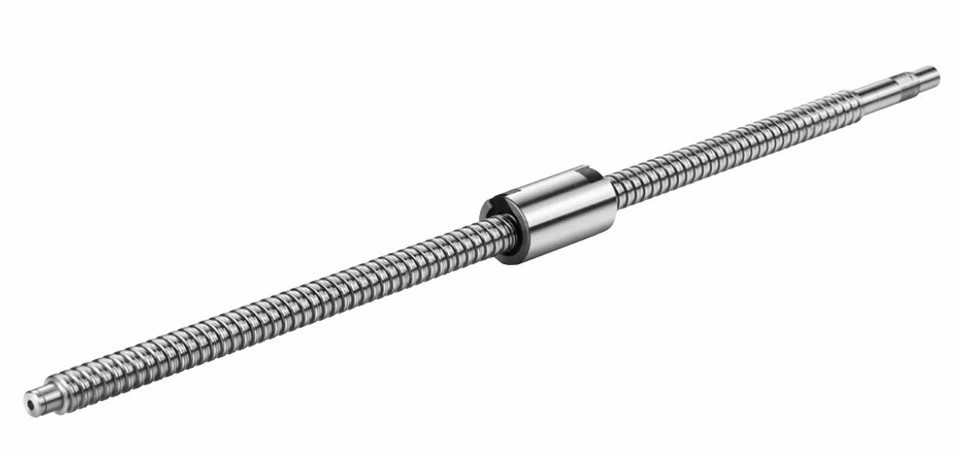
Our SCA Series Ball Bearing Drawer Slide Rail is another innovative product. It uses deep groove ball bearings to provide smooth and reliable sliding motion for drawers. This series is widely used in furniture, cabinets, and industrial equipment.
For applications that require high - speed and high - load capacity, we recommend our Big Lead SFY Series Bearing. This bearing is designed with a larger lead, allowing for faster movement and better load - carrying capabilities.
Conclusion
In summary, whether deep groove ball bearings need frequent replacement depends on a variety of factors, including operating conditions, load, speed, lubrication, and maintenance. By understanding these factors and taking appropriate measures, such as proper selection, installation, and maintenance, the lifespan of the bearings can be significantly extended.
We are committed to providing our customers with high - quality deep groove ball bearings and professional technical support. If you are looking for reliable bearing solutions for your specific applications, or if you have any questions about bearing replacement and maintenance, please feel free to contact us for procurement and further discussion.
References
- Harris, T. A., & Kotzalas, M. N. (2007). Rolling Bearing Analysis. Wiley-Interscience.
- BS ISO 281:2007, Rolling bearings - Dynamic load ratings and rating life.